
A&M RECORDS STUDIO C
A&M RECORDS STUDIO C HISTORY
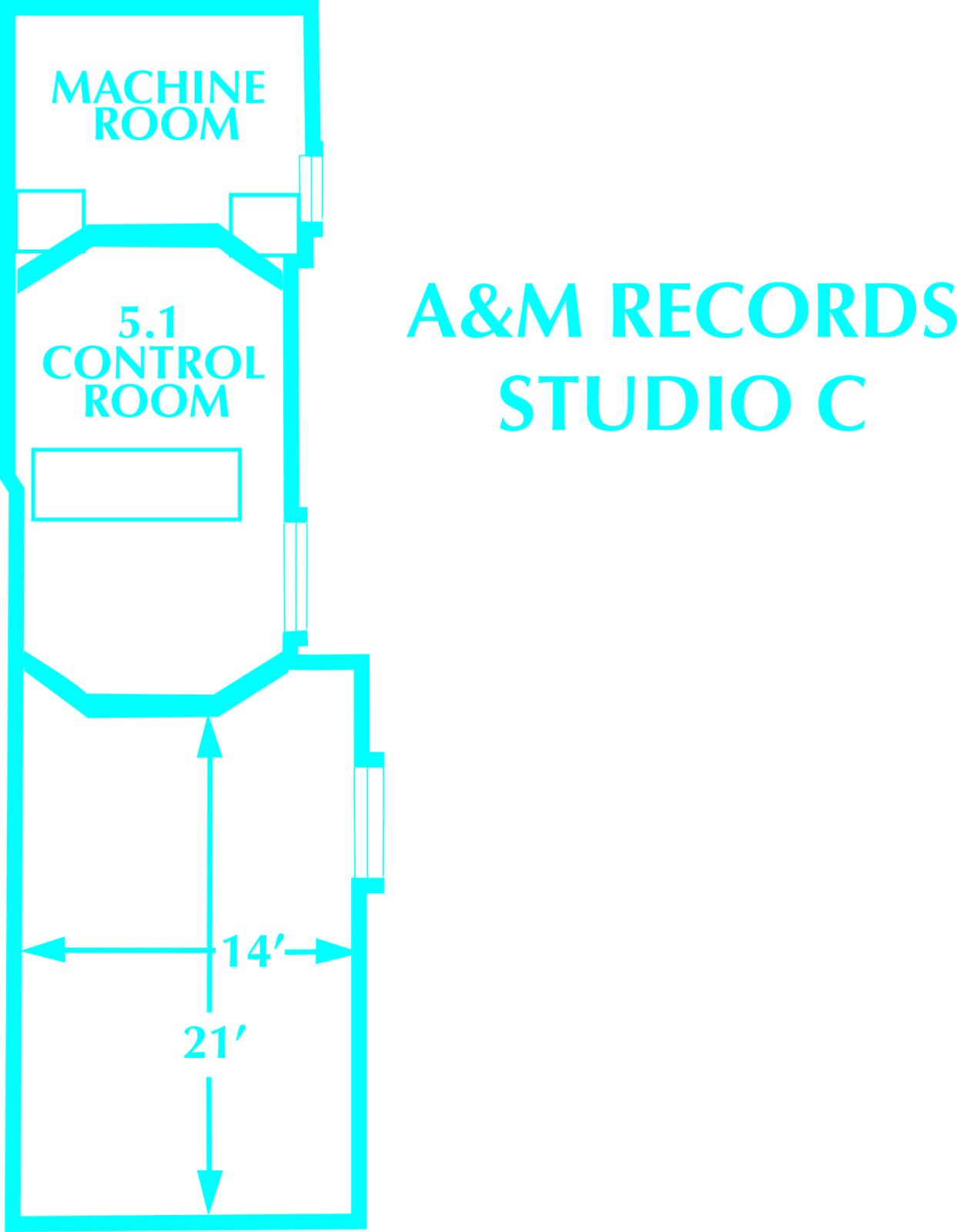
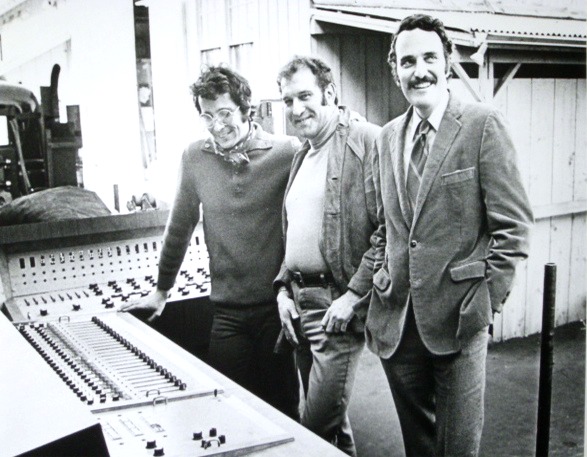
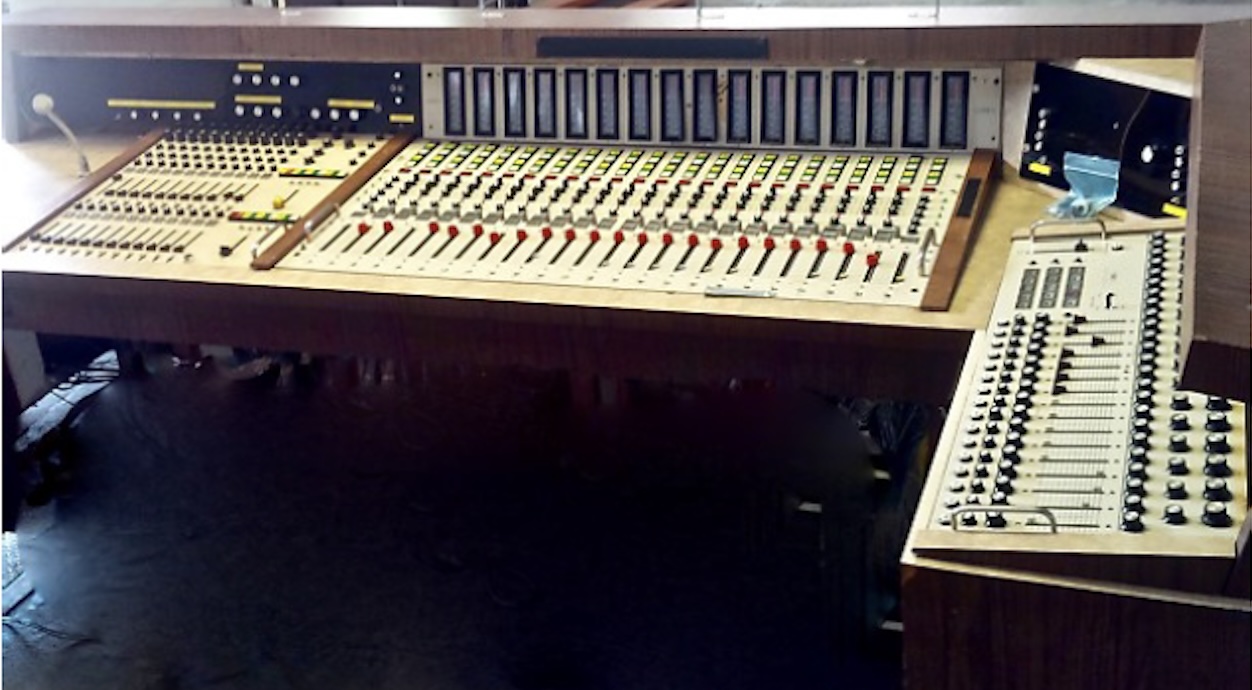
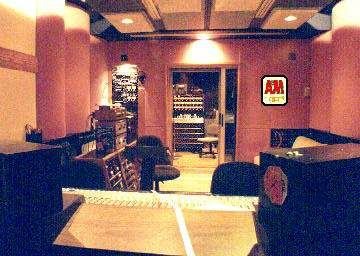
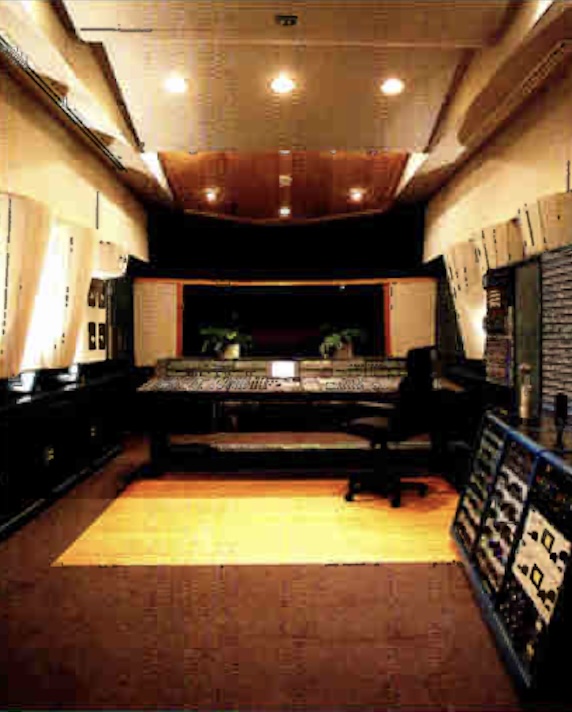
Studio C was the first of A&M studios to be put into operation. It was the smallest of A&M's rooms. In 1970 the main room was 17' x 24' and could handle sessions with up to eight musicians. Its control room was 15' x 22'. By the late 1990s it was at 15,000 cubic feet with just a control room and main recording area measuring 14' by 21' with an 11' ceiling. It served as A&M's multichannel mixing and pre-mastering studio. Its original console was a HAECO with four Altec 604E speakers.
Many of Almo/Irving Music's A&R and songwriter demos were recorded in Studio C. The studio was used more for A&M artists rather than clients renting studio time.
The notable recordings made in "C" include:
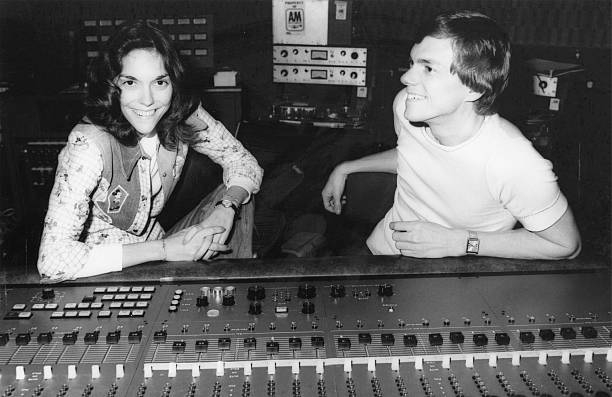
* Carpenters used Studio C for instrumental tracks on a handful of recordings 1970-1972
* Cat Stevens vocals on his live recordings
* Cheech & Chong's Wedding Album
* Crosby, Stills and Nash used Studio C
* John Denver commercial jingles
* Dave Koz Off the Beaten Path * Tami Michelle
* Joni Mitchell recorded many of her albums in C including Blue and Court and Spark (She preferred the Steinway in C.)
* Pretty Mary Sunshine Bird Medicine
* Richie Sambora (mix)
* Tonio K. Yugoslavia
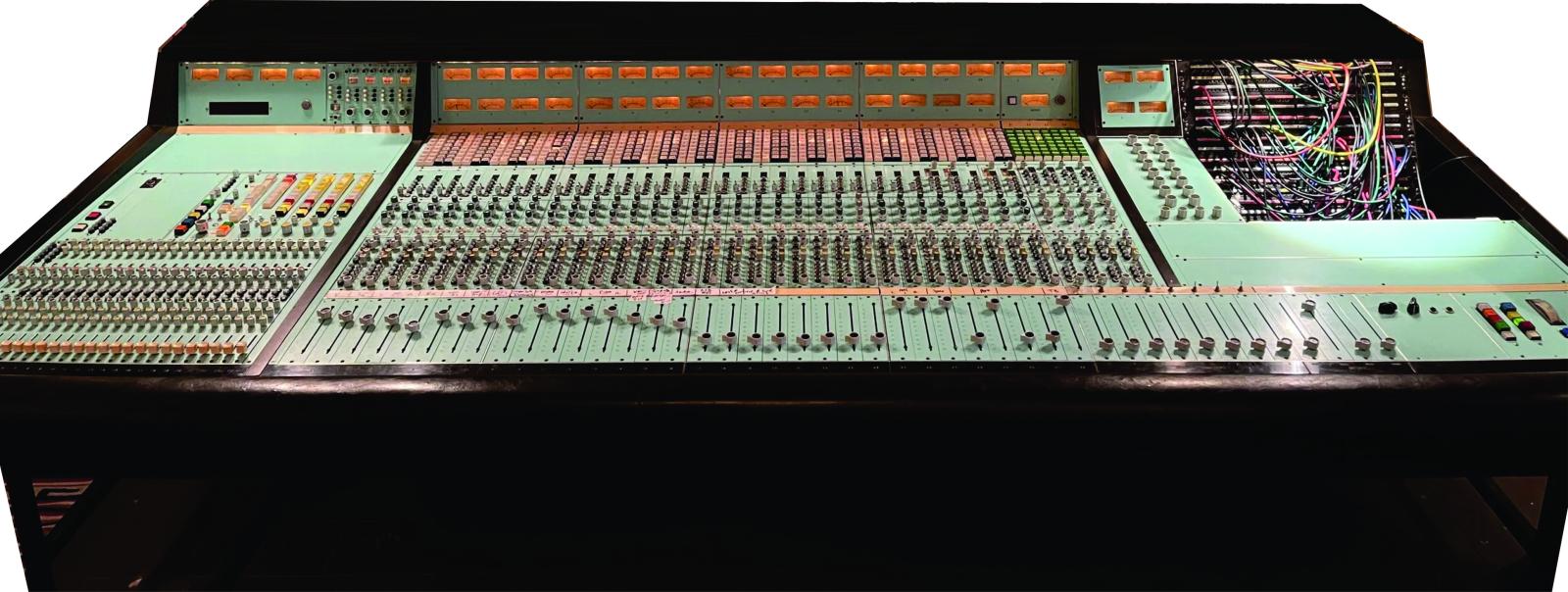
In 1976 the API 32/16/24 console from Studio A was relocated to Studio C.
Sometime after 1984 the API was replaced with a Trident TSM Console. The Trident offered 18 tracks and 32 track monitoring and mixing capability.
In 1993 a Euphonics console was installed in Studio C. A&M considered moving the Neve console to "C" but it would not fit.
Studio C remodeling was completed in the fall of 1997. It was DVD-ready with 5.1 channel mixing, a 96-foot Euphonix CS3000M and Sony PCM 3348 tape machine. Gary Myerberg-Lauter was the chief engineer/director of technical operations and a co-designer of this upgrade. He told Mix (mixonline.com, November 1999), "A&M Studio C worked equally well for both 5.1 and stereo production, and proved that coexistence is critical in a music studio if you want the room to remain booked."


STUDIO C EQUIPMENT
EQUIPMENT IN 1970s
CONSOLE: HAECO 30 input, 24 output 1974: 18 input, 16 output MICS: AKG TAPE RECORDERS: 1970-1973: Scully 16-tr, 8-tr, 4-tr, 2-tr, 1-tr 1974: 24-tr, 16-tr, 8-tr | 3 CUE SYSTEMS MONITOR SPEAKERS: Altec AMPLIFIERS McIntosh SPECIAL EQUIPMENT: Dolby 1974: dbx added INSTRUMENTS: celeste |
LATE 1990s
CONSOLE: 1996: API 32 Input P&G Faders (modified) 1997: Euphonics CS-3000 digitally-controlled TAPE MACHINES: Studer A800 Multitracks MIXDOWN/REFERENCE: A&M proprietary A-to-D and D-to-A MAIN MONITORS: 1996: Custom A&M/Augsperger system 1997: Custom A&M/Baulton system | OUTBOARD EQUIPMENT (1996): Comp/Limiter: Fairchild 670 Mic Pre-amps/EQ: Neve Model 1066 Modules Delays/Effects: AMS DMX Gates/Proc: Drawmer DS-201 gates Reverb/Effects: Eventide H-3500 |