
A&M STUDIOS ROOMS "H" AND "M"
A&M RECORDS STUDIO H
Affectionately known as "Herb's Room." Herb Alpert recorded My Abstract Heart here and Lani Hall used Studio H to record her vocals.
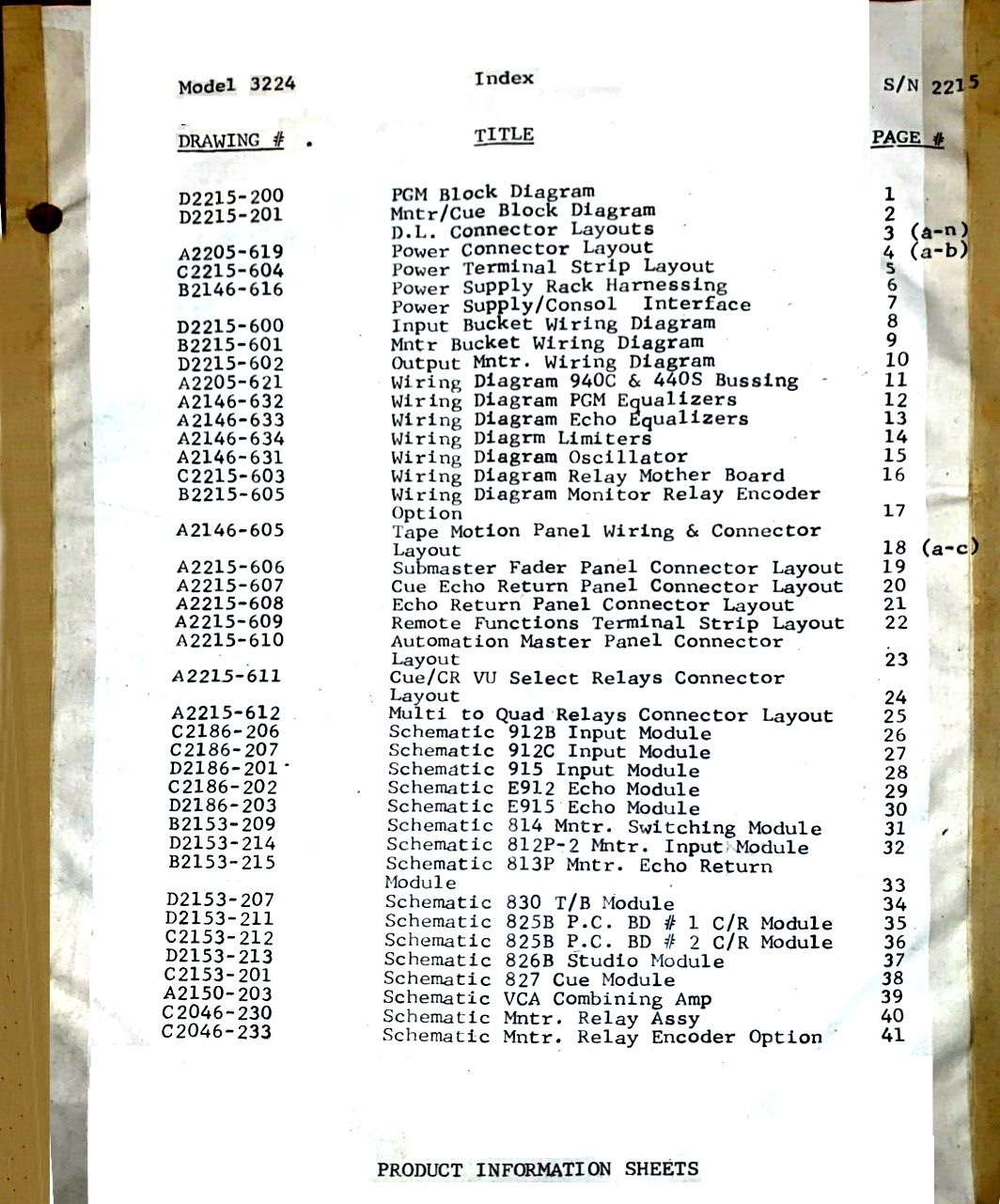
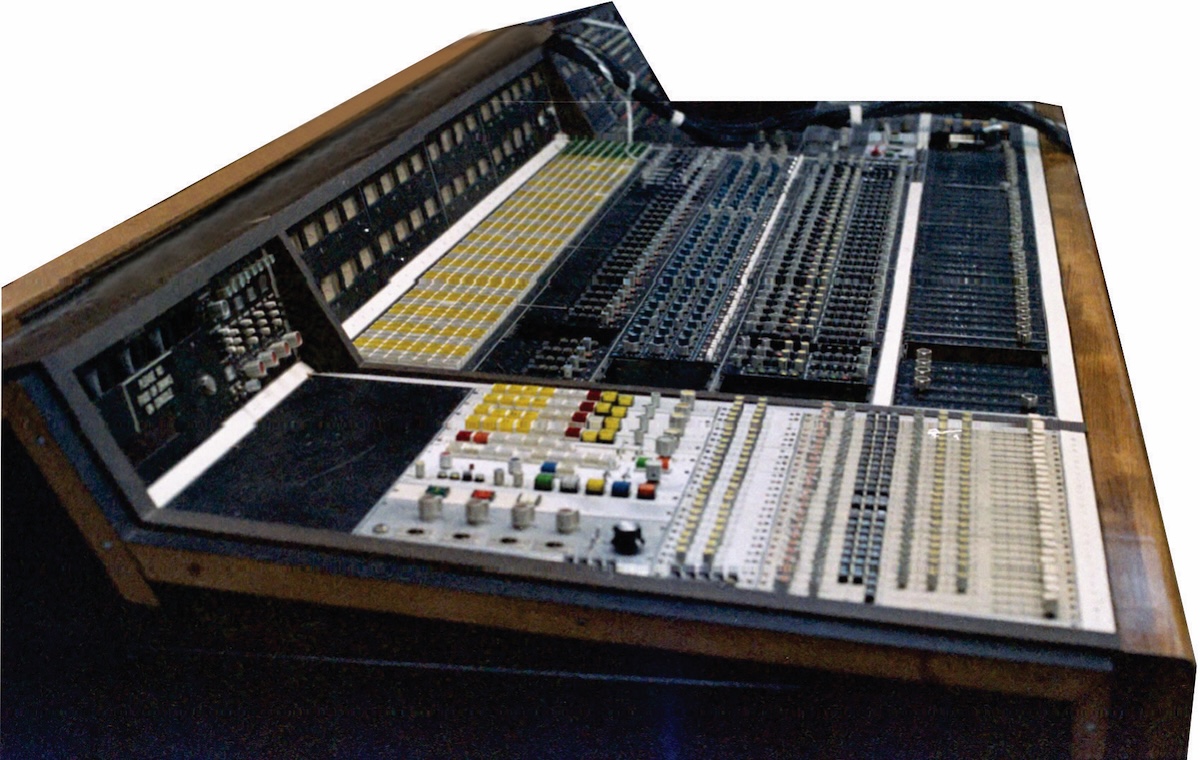
The console was the API 3224 that had been in Studio B until 1986.
A&M RECORDS STUDIO M
M for Mixing, mixdown and remix in this dedicated suite. The control room measured 14' by 18' and its lounge/overdub booth was 9' by 10'.
The studio was updated in 1988 by Continental Studio Builders (CSB).
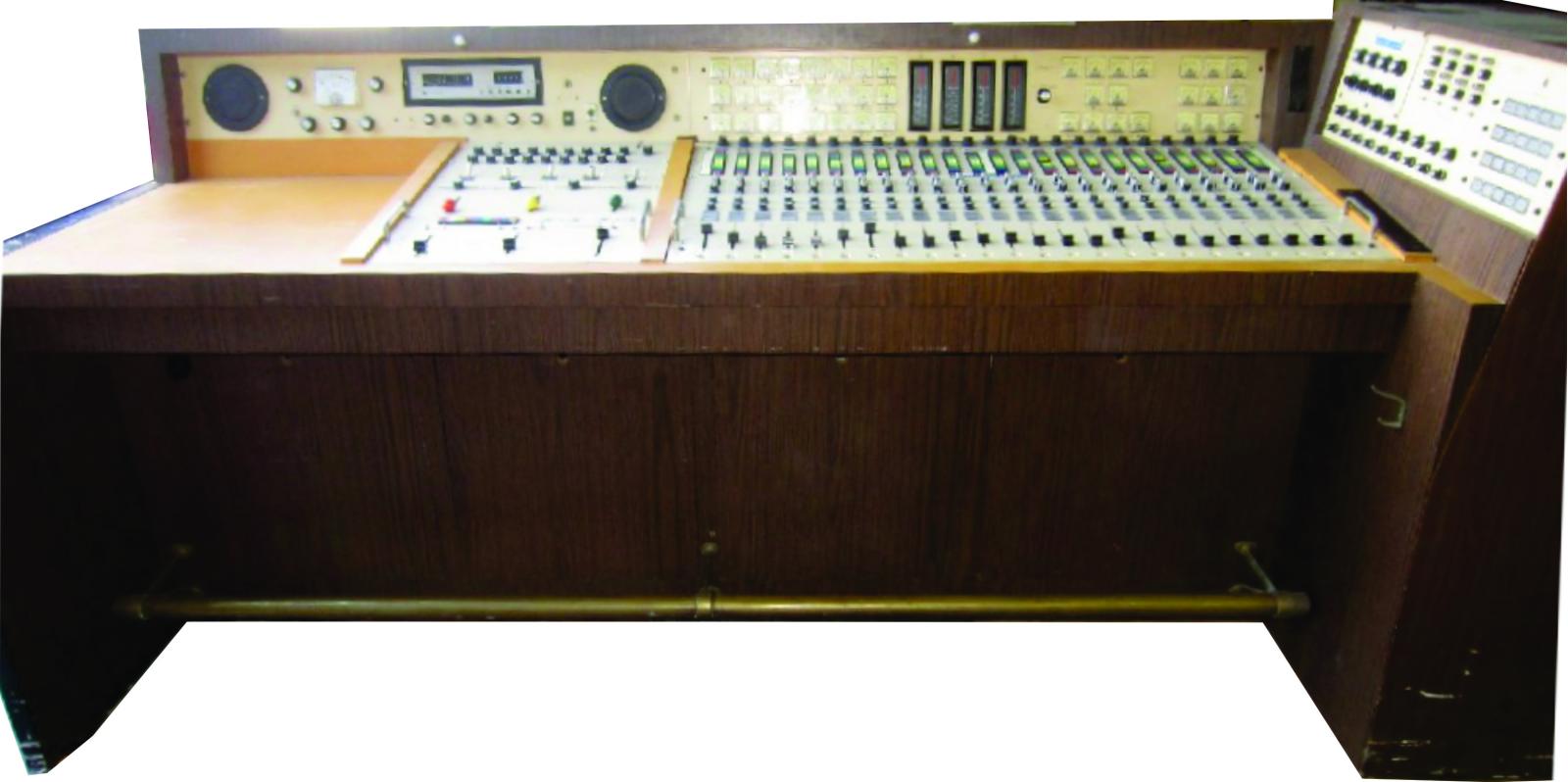
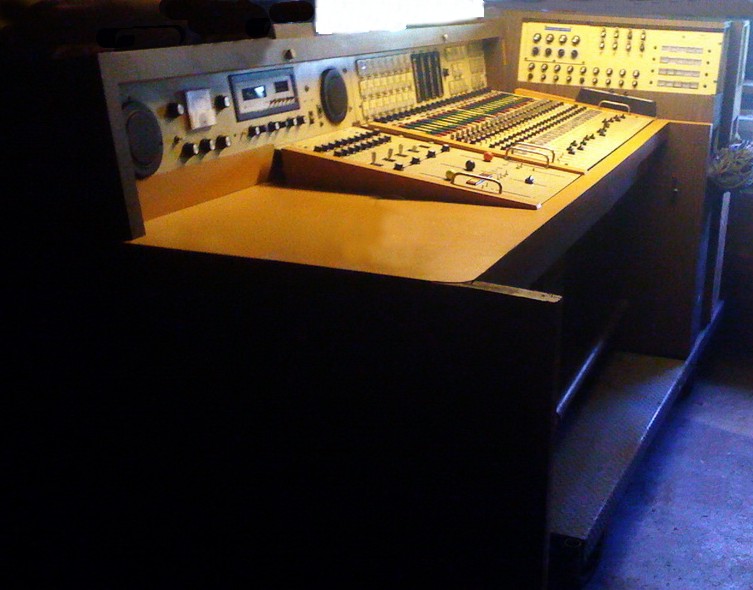
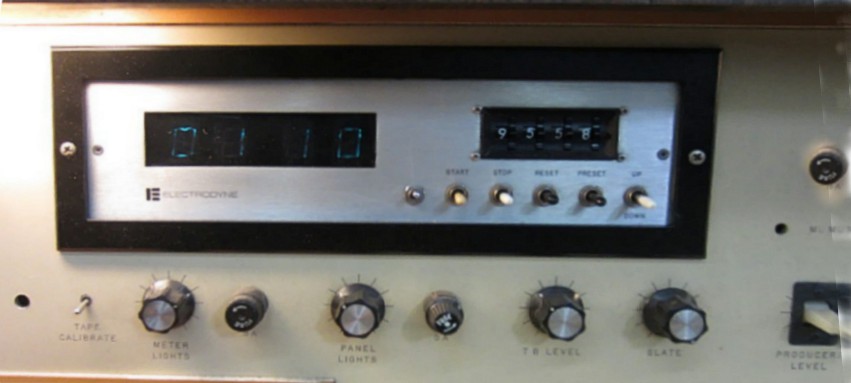
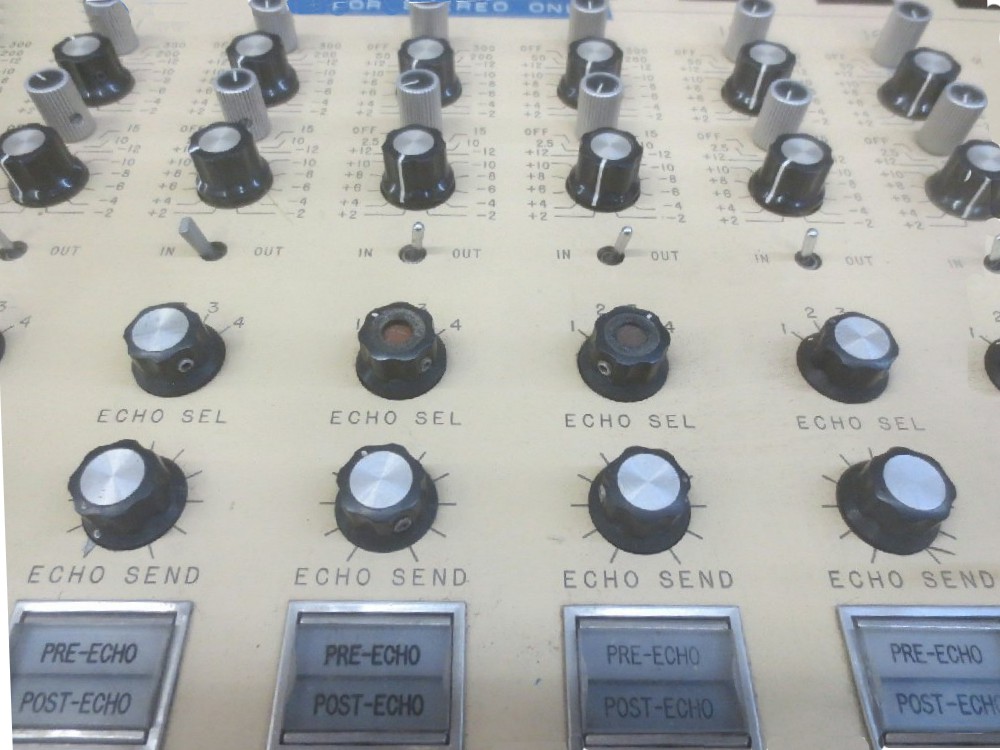
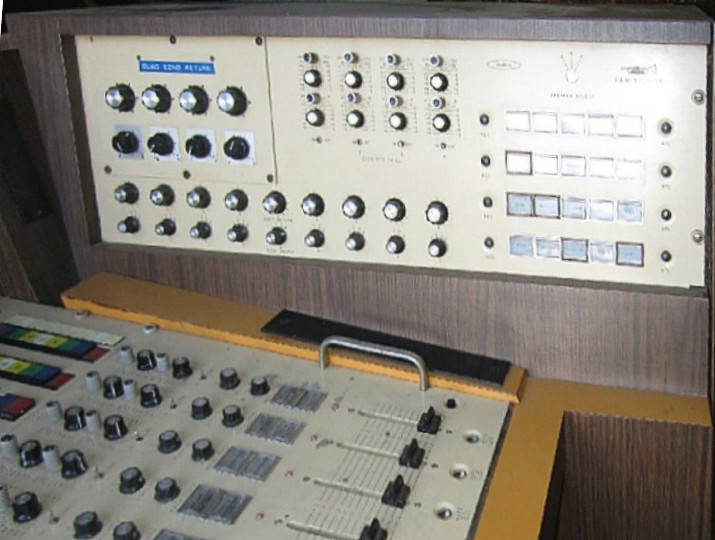
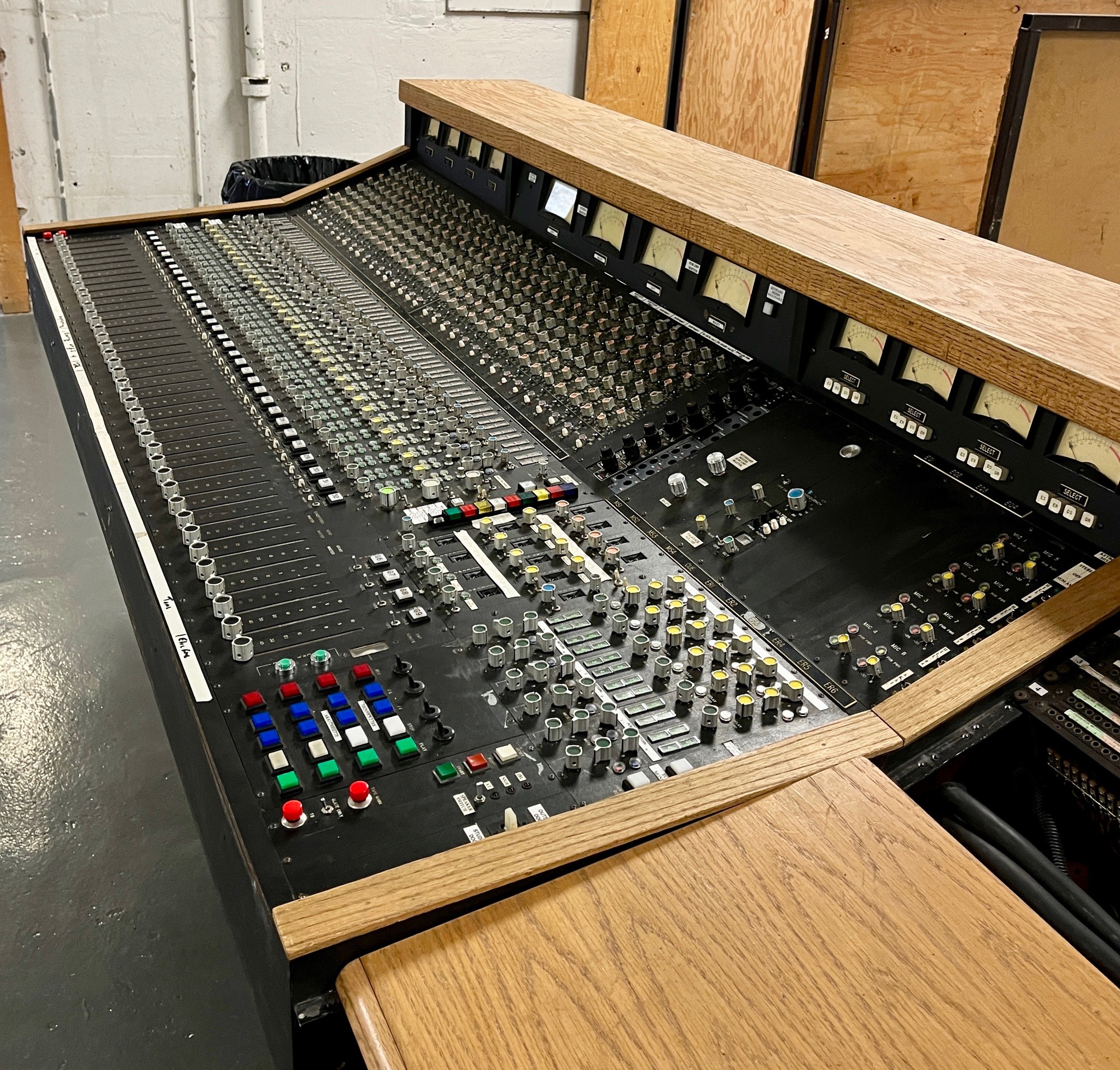
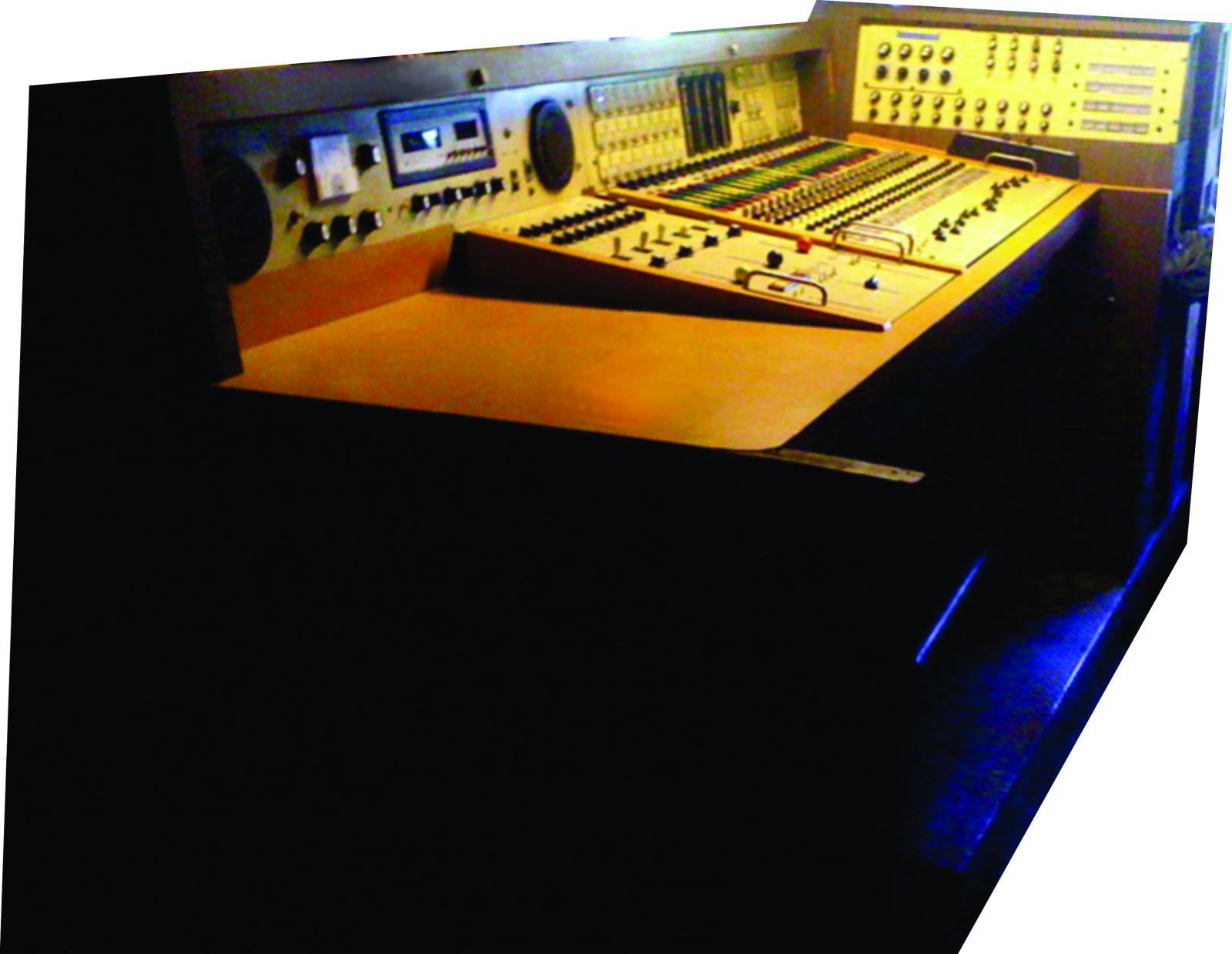
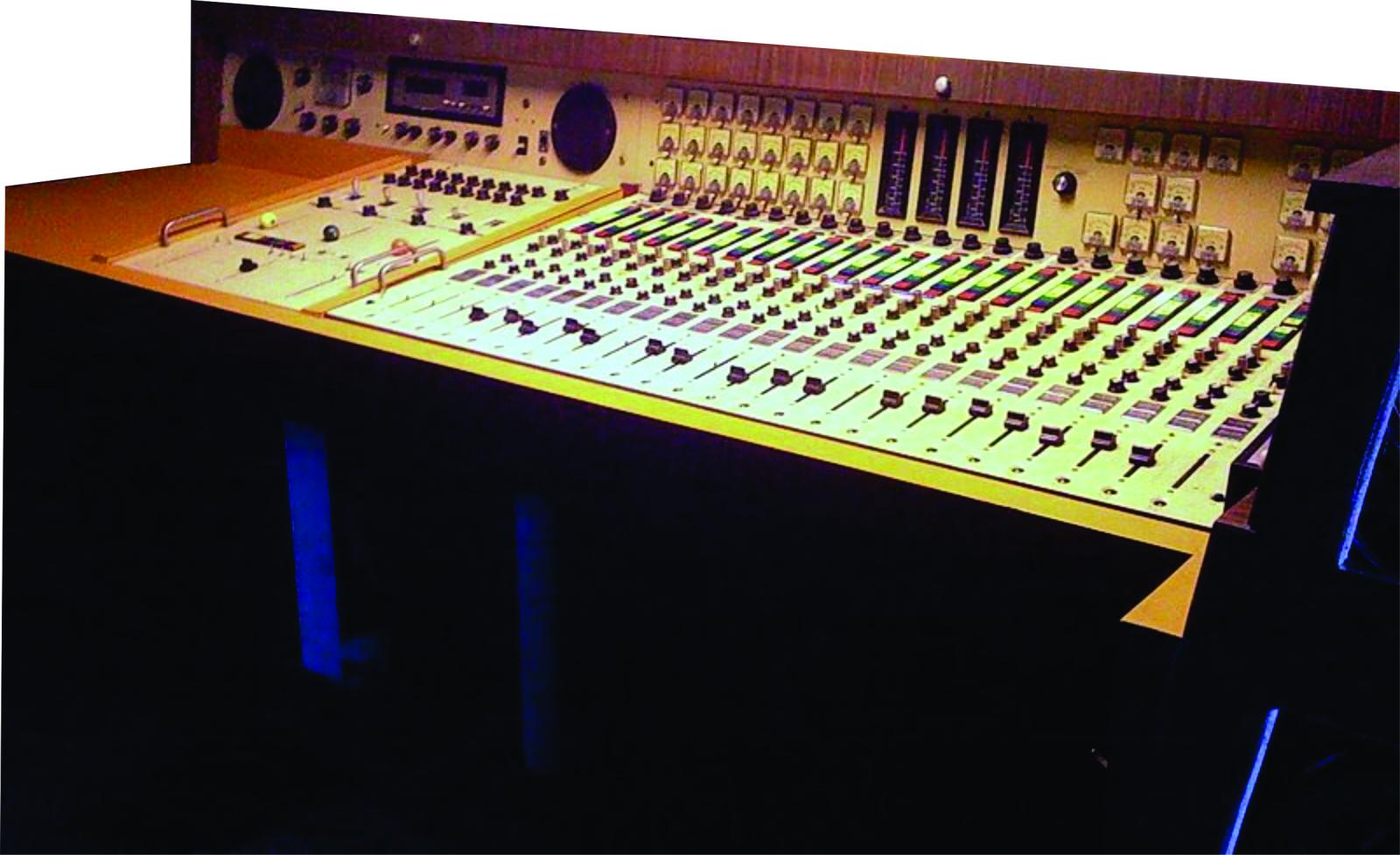
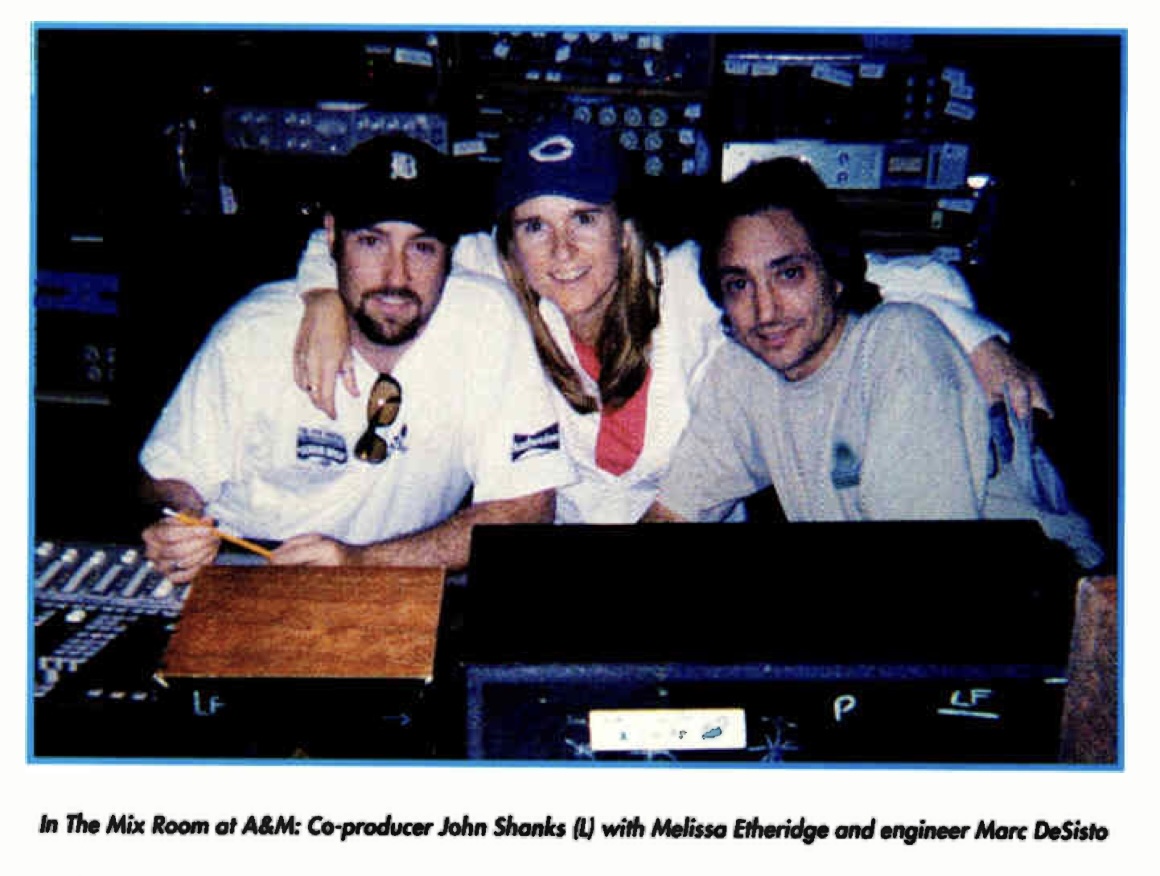
A&M Studios had three mixing rooms. The Mix 1 console was built in-house in 1981 with 32 channels, QE eps, 8 aux quad buss. Mix 2 was a quad room. Mix 3 was identical to Mix 1.

MIX AND MASTERING
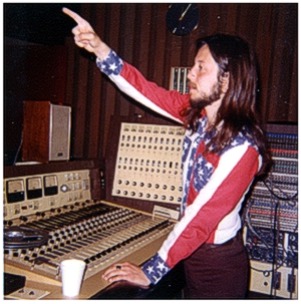
"I'd been doing a lot of work for [A&M Records] even before they opened the studio complex. I got to know everyone at A&M very well. When they were planning to open their own studios, I saw it as an opportunity to move up in the field...I was ambitious and wanted to get ahead. It was a terrific opportunity. I told A&M that I wanted to work for them and they hired me right away. If I ever had to work for anyone else again, I'd work for Herb [Alpert] and Jerry [Moss], co-founders of A&M Records."--Bernie Grundman, Mix Magazine, December 1997
Bernie Grundman founded A&M's mastering division.
Original Scully lathes at A&M Studios had a Neumann custom A&M lift-drop suspension unit that made it possible to control groove depth electronically. They had Westrex stereo heads. There were only five suspension units made.
In 1983, A&M Studios used Scully lates fitted with Capps computer that was redesigned by A&M. The mastering console was designed and built by A&M. The tape matches were MCI with ATR heads and modified ATR electronics. Monitor speakers were assembled by A&M with Tannoy and EV components with H&H amps. Modified UA EQ limiters, CSG or mono discs and De'S'ing equipment designed by A&M.
The mastering suite moved several times over the years. The original Studio D was the mastering suite. In 1971 A&M added three mix/mastering rooms in the studio complex and eventually moved mastering out of the complex when they expanded to have six mastering rooms.
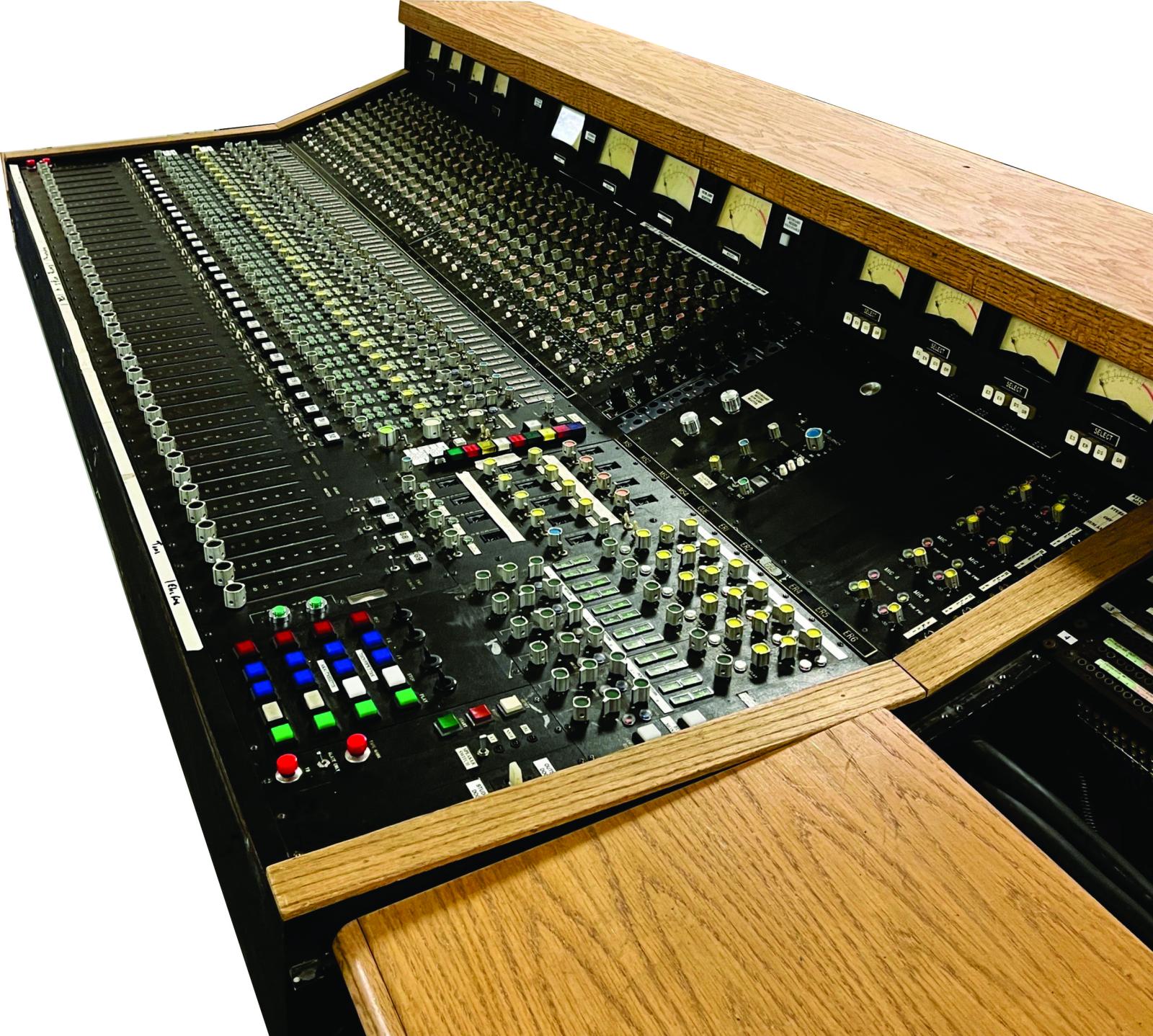
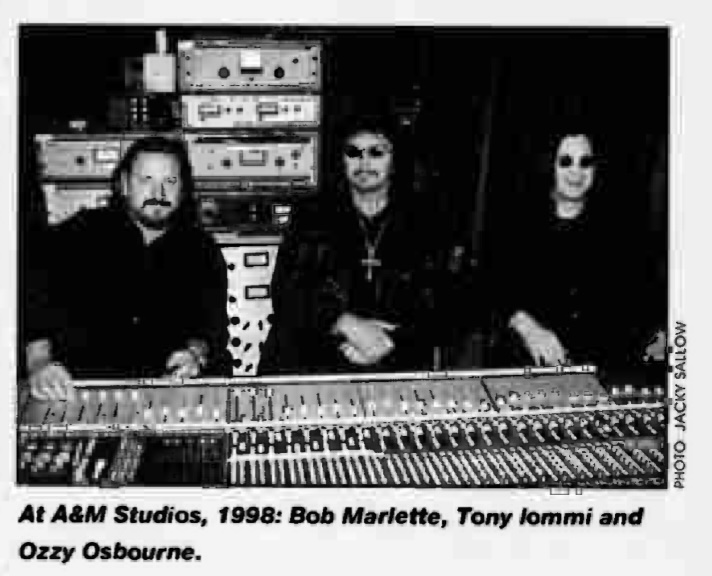
By 1998 there were six mastering rooms with vacuum tube and solid-state tape equipment and custom A&M console but without relays, coupling capacitors or transformers. The mix room had an SSL 6072 E/G Series desk.
STUDIO M EQUIPMENT
| CONSOLE: 72-channel/144-input SSL SL-6072E TAPE MACHINES: Two Studer A800 Multitracks MIXDOWN/REFERENCE: A&M proprietary A-to-D and D-to-A converters MAIN MONITORS: Custom A&M/Augspurger systems NEAR-FIELD MONITORING: Yamaha NS-10Ms | OUTBOARD EQUIPMENT: Compressor/Limiter: Fairchild 670 Mic Pre-Amps/EQ: Neve Model 1066 modules Reverb/Effects: Eventide H-3500 Delays/Effects: AMS DMX Gates/Proc: Drawmer DS-201 gates |